The ward as a classroom
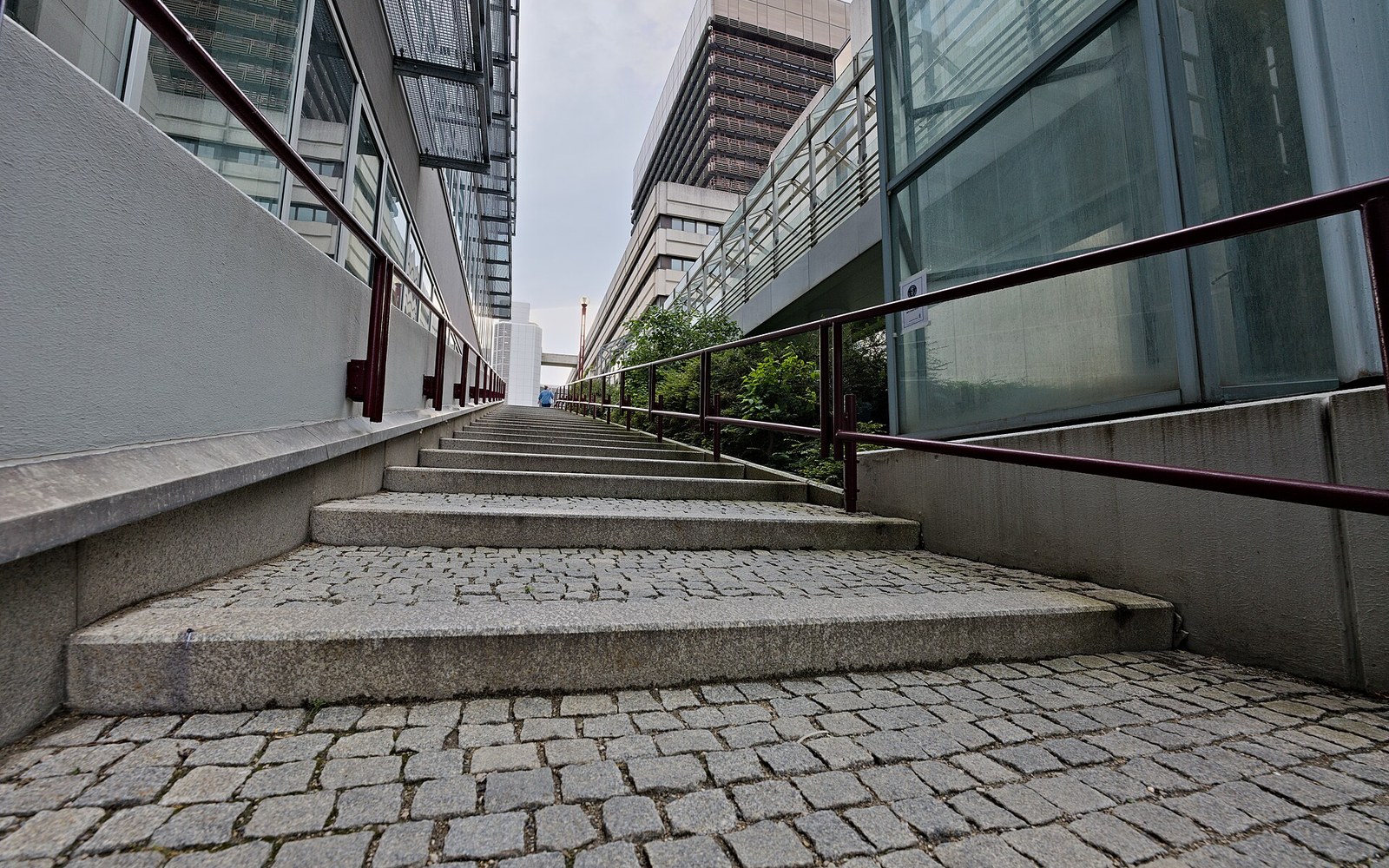
A hospital big enough to be a university
The Allgemeines Krankenhaus — the General Hospital of Vienna — was not simply a place where sick people were treated. By the mid-nineteenth century it was the largest civilian hospital in the world, and its sheer scale made it into something that no private clinic or small municipal infirmary could replicate: a self-sustaining engine of medical instruction. Thousands of patients moved through its wards each year, presenting the full range of conditions that a physician might encounter across an entire career. For Ferdinand von Hebra, appointed to lead the scabies ward in 1841 and soon commanding a dedicated dermatological division, that mass of clinical material was the precondition for everything that followed.

The logic was straightforward even if the execution was not. A classification system built on pathological anatomy rather than on surface appearance demands that a teacher see the same underlying process manifested in dozens of different patients, in different stages, before the category holds. A single ward at a small hospital might yield a handful of relevant cases per season. Hebra's division at the Allgemeines Krankenhaus yielded them continuously. The institution, then located in the ninth district of Vienna along the Alser Strasse, drew patients from across the Habsburg lands, including populations with conditions rarely encountered in the western German-speaking cities. Volume was the argument. Volume is what turned a hypothesis about skin pathology into a teachable system.
The bedside as the site of proof
Hebra taught by walking the ward with students gathered at the bed. There were no projected images, no pre-printed diagrams handed around. What the student saw was the patient, and what the patient offered was the primary evidence. The method was deliberately empirical: the teacher would point, name the underlying tissue process he believed responsible, and ask the student to reconcile what was visible with what anatomy predicted. Consistency across cases was the demonstration. If the same pathological process produced a recognisable range of presentations, and if that range could be reproduced time and again by pointing to bed after bed, the classification earned credibility in the room where it was made.
This approach had institutional support. Vienna's medical faculty in the post-Josephine tradition had long emphasised clinical observation at scale — a legacy traceable partly to the hospital's founding logic and to the earlier influence of what historians of medicine have called the Vienna School of Medicine. Hebra's ward rounds were not eccentric departures from accepted practice; they were the fulfilment of what the hospital had been built, in part, to make possible. Students came from across Europe to attend them. The ward was simultaneously a research site, a lecture hall and an examination room, and the distinctions between those functions were not enforced.
Chronology
- 1841Hebra appointed to lead the scabies ward at the Allgemeines Krankenhaus
- Mid-nineteenth centuryhospital described as the largest civilian hospital in the world
- OngoingKaposi continued bedside teaching in the same institution after Hebra
Moriz Kaposi, who trained under Hebra and eventually became his son-in-law, inherited not just the classification but the pedagogical style. His own ward rounds at the same hospital continued the practice of bedside demonstration as primary instruction, and the published works both men produced — the atlas issued in parts over two decades, the lithographic plates drawn by Anton Elfinger — were always understood as supplements to the live encounter, not substitutes for it. The plates let a student at a distance meet a presentation they might never see in their own city. The ward was where those plates were verified.

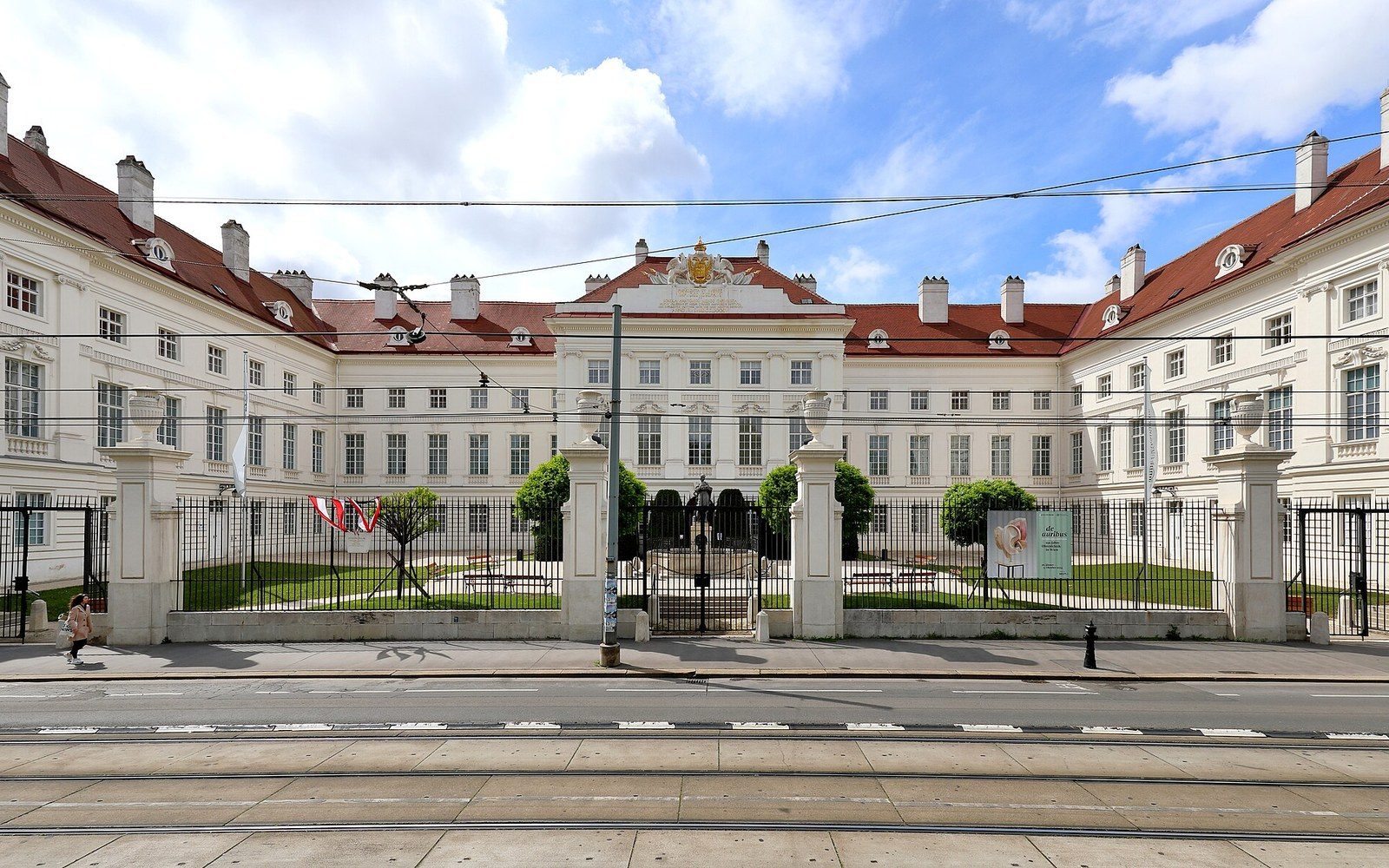
The wax moulages held in the Josephinum collection represent a parallel answer to the same problem: how do you transmit what the bedside showed, across time and geography, to students who were not there? But the moulage, however precise, remains a translation. Hebra's pedagogical conviction was that the ward itself — its noise, its density, its relentless clinical variety — was the irreplaceable instrument. The classification he built was not derived from books or from specimens alone. It was derived from walking, repeatedly, through a very large public hospital, and seeing what kept appearing.
The Allgemeines Krankenhaus thus functions in the history of dermatology less as a backdrop than as a piece of apparatus. The scale of the institution is inseparable from the scale of the intellectual project it made possible.