What a subscriber actually received
The physical object that arrived
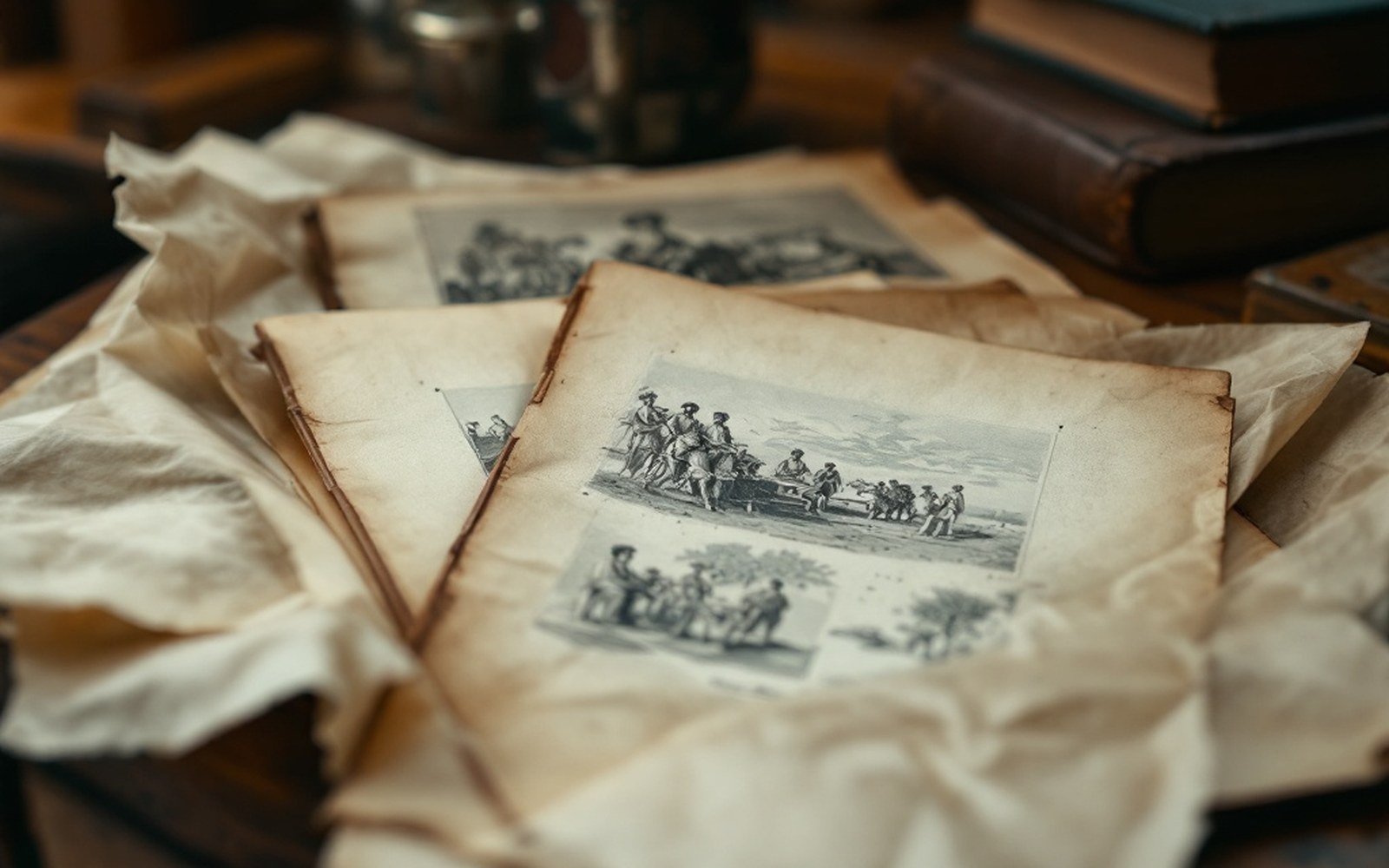
A subscriber to Ferdinand von Hebra's atlas of skin diseases did not receive a book. What came in the post — or was collected from the publisher — was a loose gathering of printed sheets folded and sewn into a soft paper wrapper, the kind of provisional enclosure the trade called a Heft (part or fascicle). The wrapper was plain by intention: it identified the part number, the title, and the imprint of the Viennese publisher, and that was all. The binding, if there was to be one, was the subscriber's own business and the subscriber's own expense.
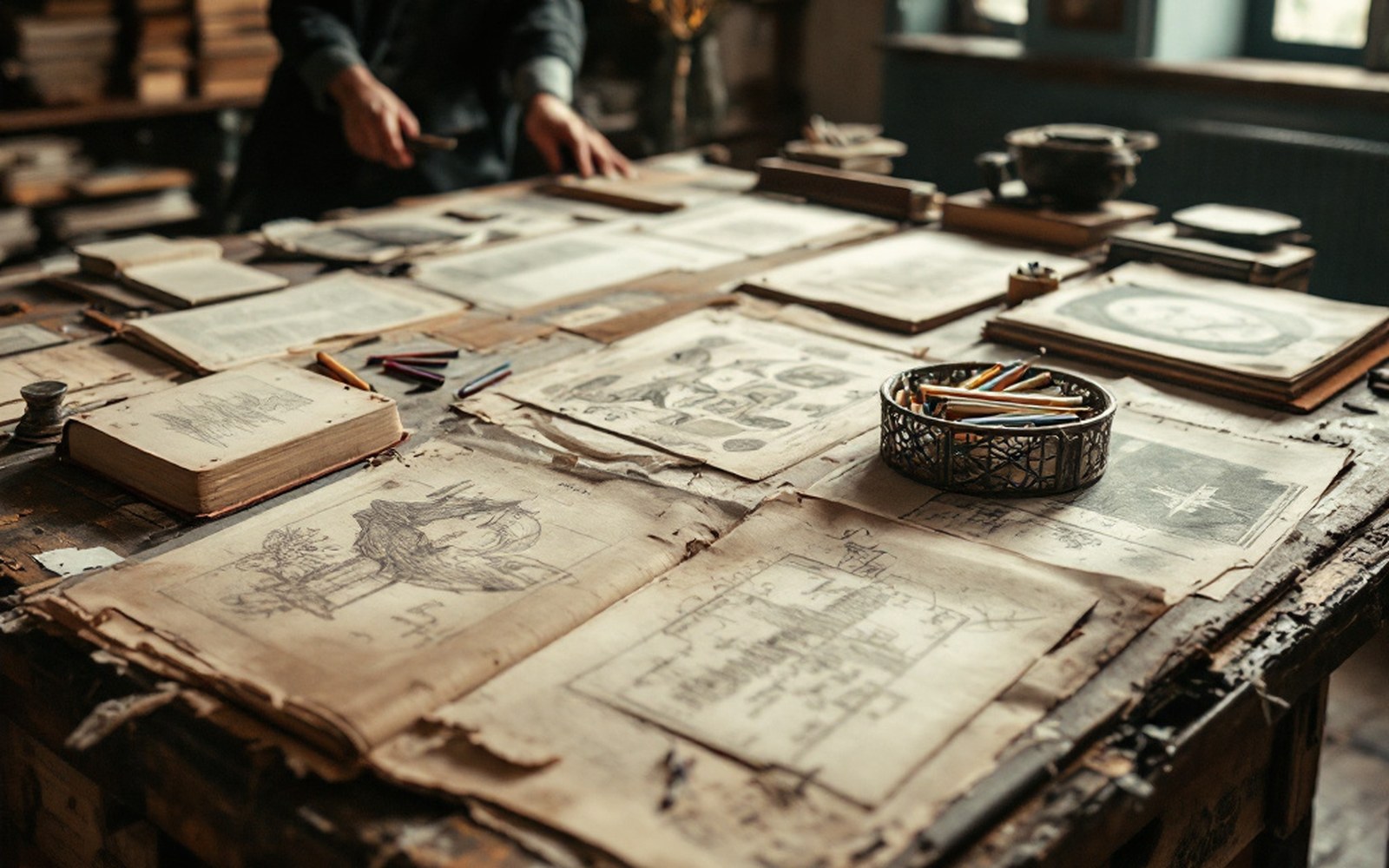
This was the standard delivery mechanism for ambitious illustrated scientific works in the mid-nineteenth century, and Hebra's Atlas der Hautkrankheiten, issued in parts over roughly two decades beginning in 1856, followed the convention precisely. The lithographic plates — drawn by Anton Elfinger and printed on heavyweight stock — were too large and too costly to rush through the press in a single campaign. Issuing them in parts spread the production cost across time and spread the subscriber's outlay across the same interval, which made the enterprise commercially viable for both sides.

Each gathering typically contained a small number of plates together with the corresponding letterpress text. The plates and the text sheets were separate productions, pulled on different presses, and they arrived together in the wrapper as a matched set for that part — though the matching itself required careful organisation on the publisher's side, since a misbound or mislaid text leaf rendered a plate unexplained. Tissue guards, thin translucent sheets interleaved between a plate and the facing page, protected the delicate hand-applied colour from offsetting onto the letterpress text during storage and transit. These guards were a standard precaution in the fine-art and scientific print trades; their presence in a surviving copy is often the clearest sign that the volume has not been broken up and reassembled.
Colour, condition, and the binder's decisions
The colour on each plate had been applied by hand after printing, each impression individually worked by a team of colourists following a master copy. This is why two copies of the same part, held today in different libraries, may differ in the precise intensity of a tint: the hand varied. It also means that condition depends heavily on how a copy was stored between receipt and binding, since the water-based pigments were vulnerable to damp and to the pressure of stacking.
The gathered object
- Hefta fascicle or part; the soft-wrapped gathered sections delivered to subscribers before binding
- tissue guardthin translucent sheet interleaved to protect hand-coloured plates from offsetting during storage
- imprintthe printed identification on the wrapper: part number, title, publisher details
- gatheringthe folded and sewn sheets forming one deliverable unit of a part-issued work
When the series was eventually complete — the final parts appeared in the 1870s — the subscriber faced a set of accumulated wrappers representing years of delivery. The decision now was how to have them bound. Some subscribers chose a single-volume binding; others, recognising the physical bulk of the plates, commissioned two or more volumes. The binder would remove the paper wrappers, collate the gatherings in part order, and case the whole in whatever style the owner specified, from plain cloth boards to full leather with gilt titling on the spine. This is why complete sets are rare and why, among surviving copies, no two bindings are quite alike. An institutional copy — held by a hospital library or a university — often shows a more uniform, utilitarian binding than a copy that passed through a private collector's hands.

The Josephinum in Vienna holds material that illuminates the Viennese teaching context in which the atlas circulated, and copies in European medical libraries occasionally retain their original paper wrappers, uncollated or only partially bound, which is a different kind of survival: the object as it was actually received, before the binder intervened. These unbound copies are the closest material witness to what a subscriber's table looked like partway through a twenty-year subscription — a growing pile of parts, each self-contained and provisional, waiting for a whole that was still being made.
The lithographic process that produced the plates was itself chosen because it could carry the tonal gradations that distinguished one inflammatory presentation from another on Hebra's new pathological-anatomy basis, and because a skilled draughtsman working directly on the stone could render texture in ways that the engraving trade could not easily match. The subscriber's gathering, fragile in its paper wrapper, was the delivery mechanism for all of that precision.