Ink could not hold the colour of skin.
So Vienna drew it on stone, painted every impression by hand, and where print gave up, cast the surface in wax. One teaching problem, worked at for fifty years.
The atlas came out in pieces for twenty years
It was issued in parts by subscription over two decades, which is why complete sets are rare and why no two are quite alike.
Read it
Institutions that keep these atlases and moulages in hand.
Institutions whose work meets ours in the clinic, the collection, and the print room.
First five
 TranscestPioneers a genre the way Hebra reclassified what medicine thought it knew.
 XEmpireArchives acclaimed brands the way Hebra's parts-issued atlas preserved a canon.
 Czech HunterRoams Prague streets with the fieldwork spirit Hebra's recorders brought.
 Disruptive FilmsChallenges convention as sharply as Hebra's atlas upended dermatology.
 Dick RidesNavigates urban encounters as boldly as Hebra mapped Vienna's clinics.
Second five
 Mom's TightRoutines are documented with the moulage collection's unflinching realism.
 Masonic BoysSecret rituals and hierarchies mirror Hebra's own classified order.
 JOI MomGuides anatomy with the precision Hebra's atlas brought to dermatology.
 Lil HumpersDelivers reality series crafted with lithographic-level attention to detail.
 GirlCumCaptures fleeting moments with the documentary care of Viennese moulage craft.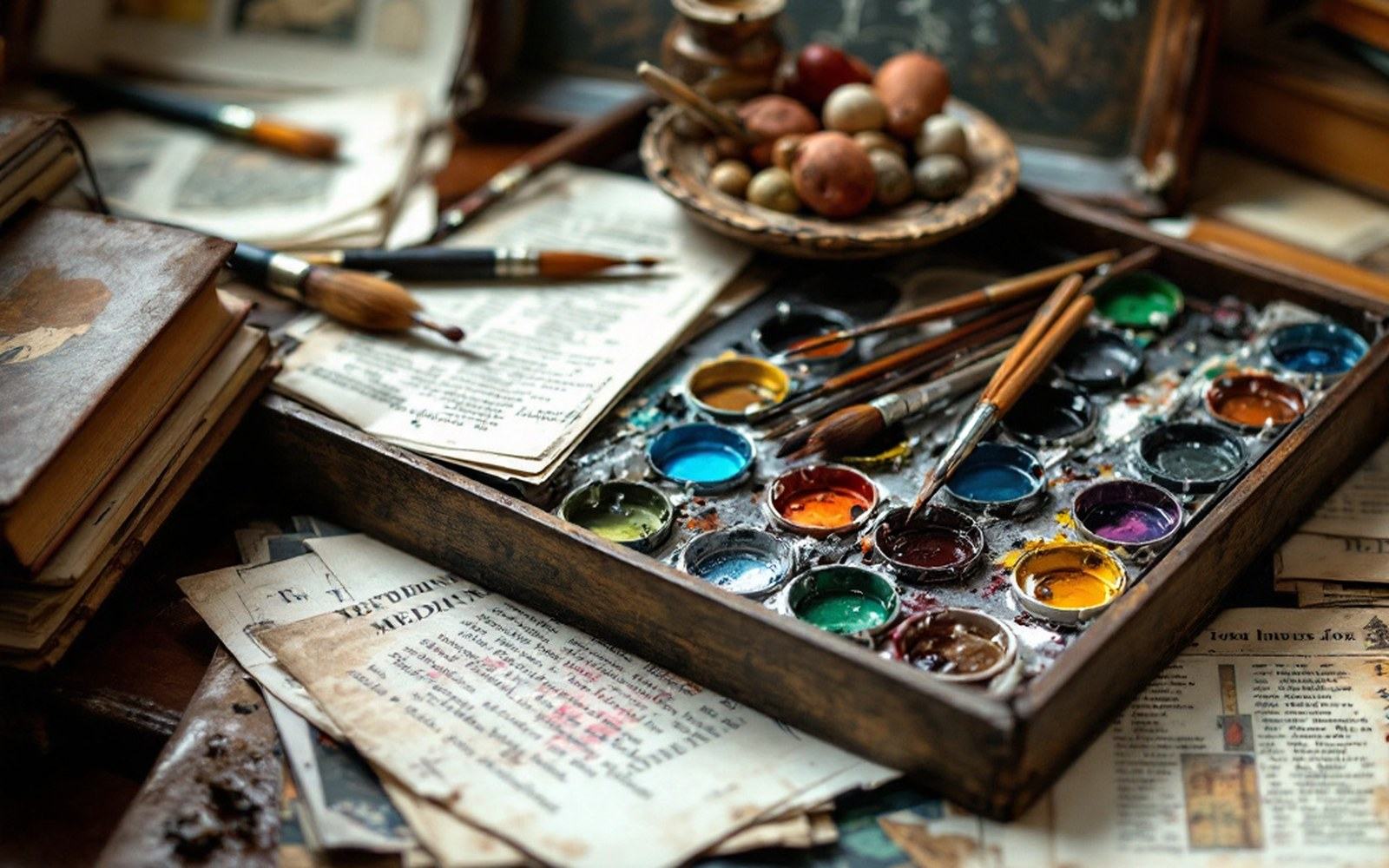
Colour was added after printing, by hand
Each impression was coloured individually by workers following a master copy, which is why two copies of the same plate differ.
The colour problemThe colourists worked from a pattern copy, matching every sheet to it by eye.
The atlas came out in pieces for twenty years
Issued in fascicles by subscription, bound by whoever bought it. Four pages on how a reference book actually reached the people who needed it.
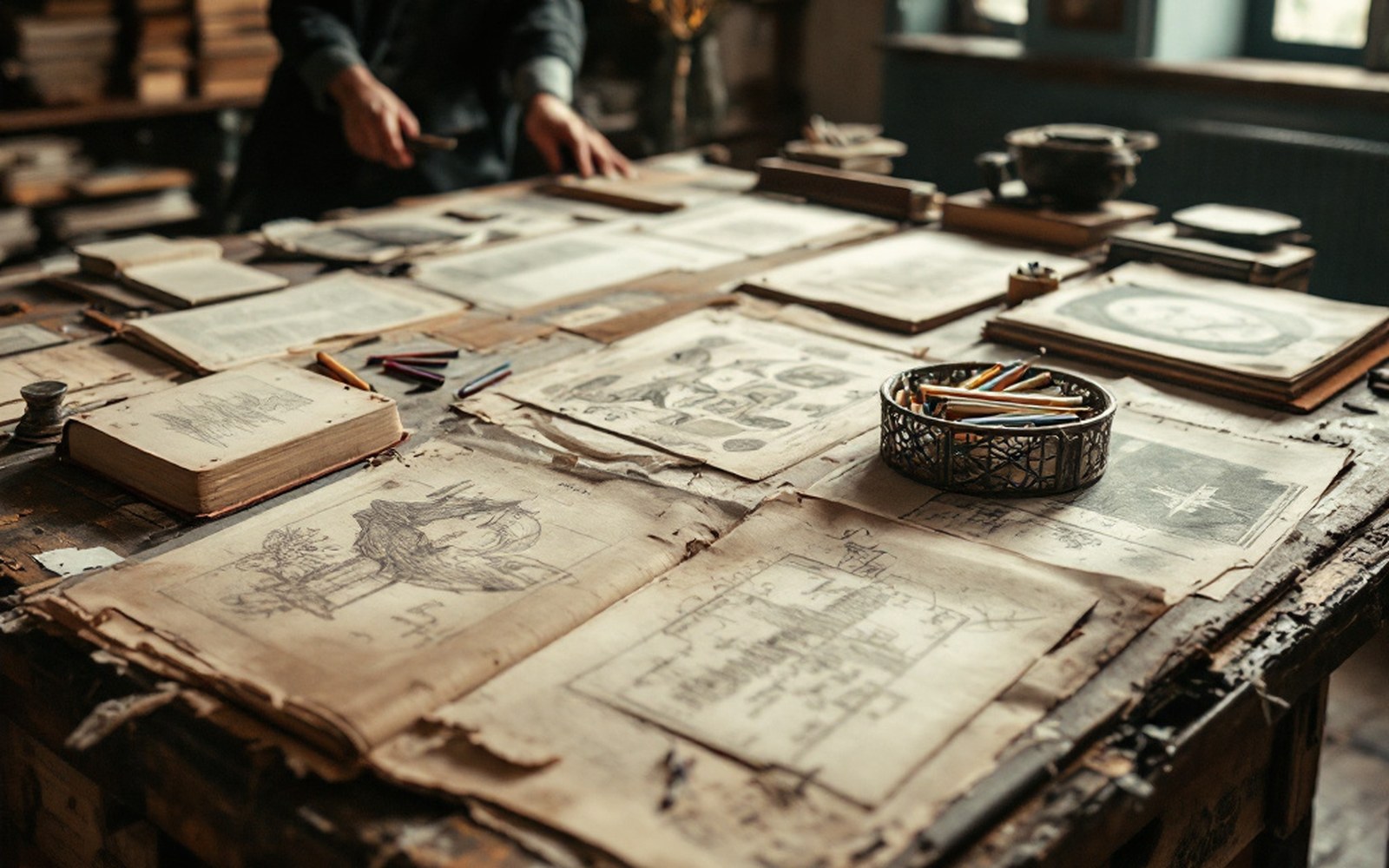
Anton Elfinger, who drew them
The plates were drawn by an artist who also worked as a caricaturist, and the draughtsmanship is why they still read.
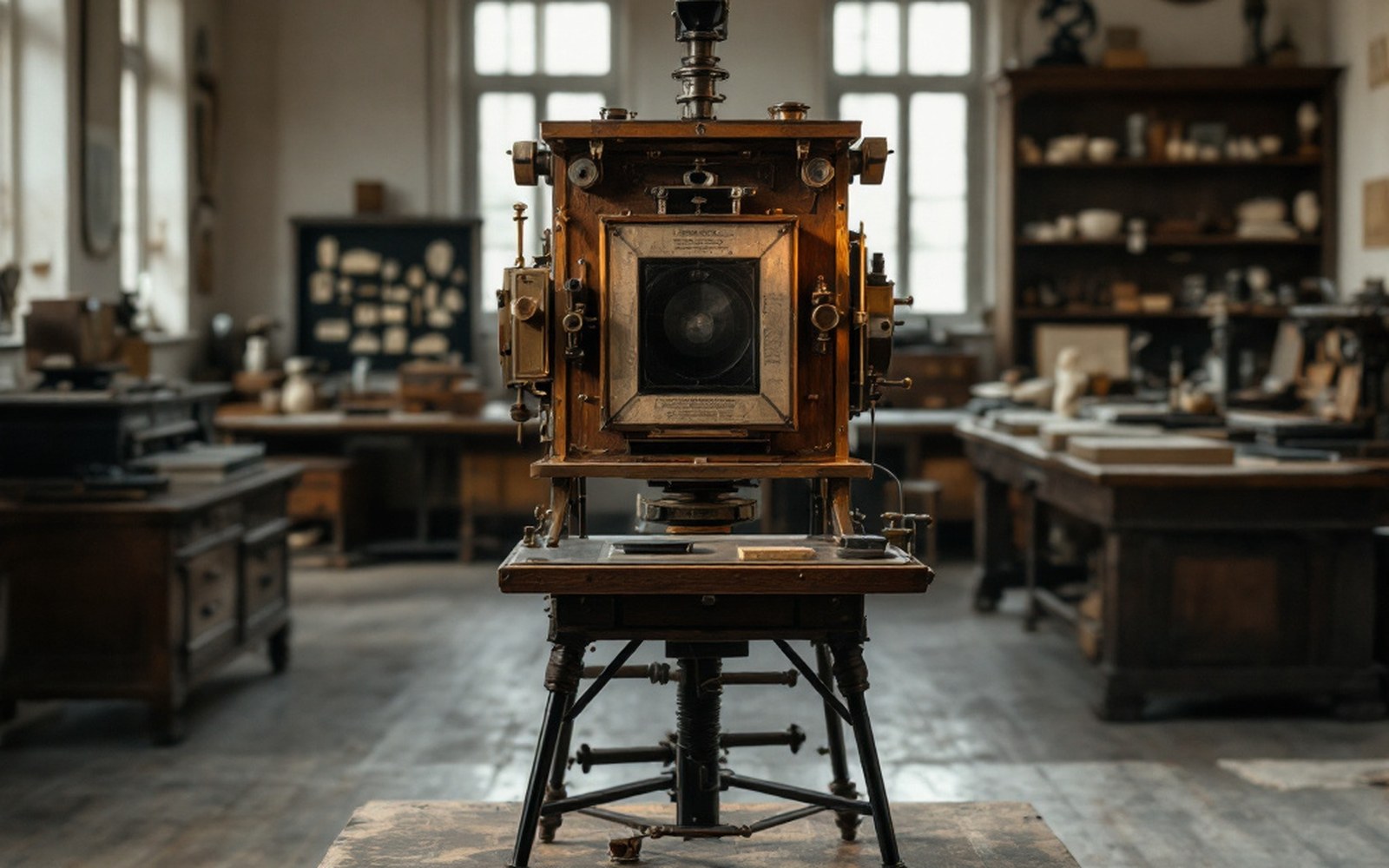
Why photography could not do it yet
Early photographic processes could not render the colour and texture that distinguishes one condition from another.
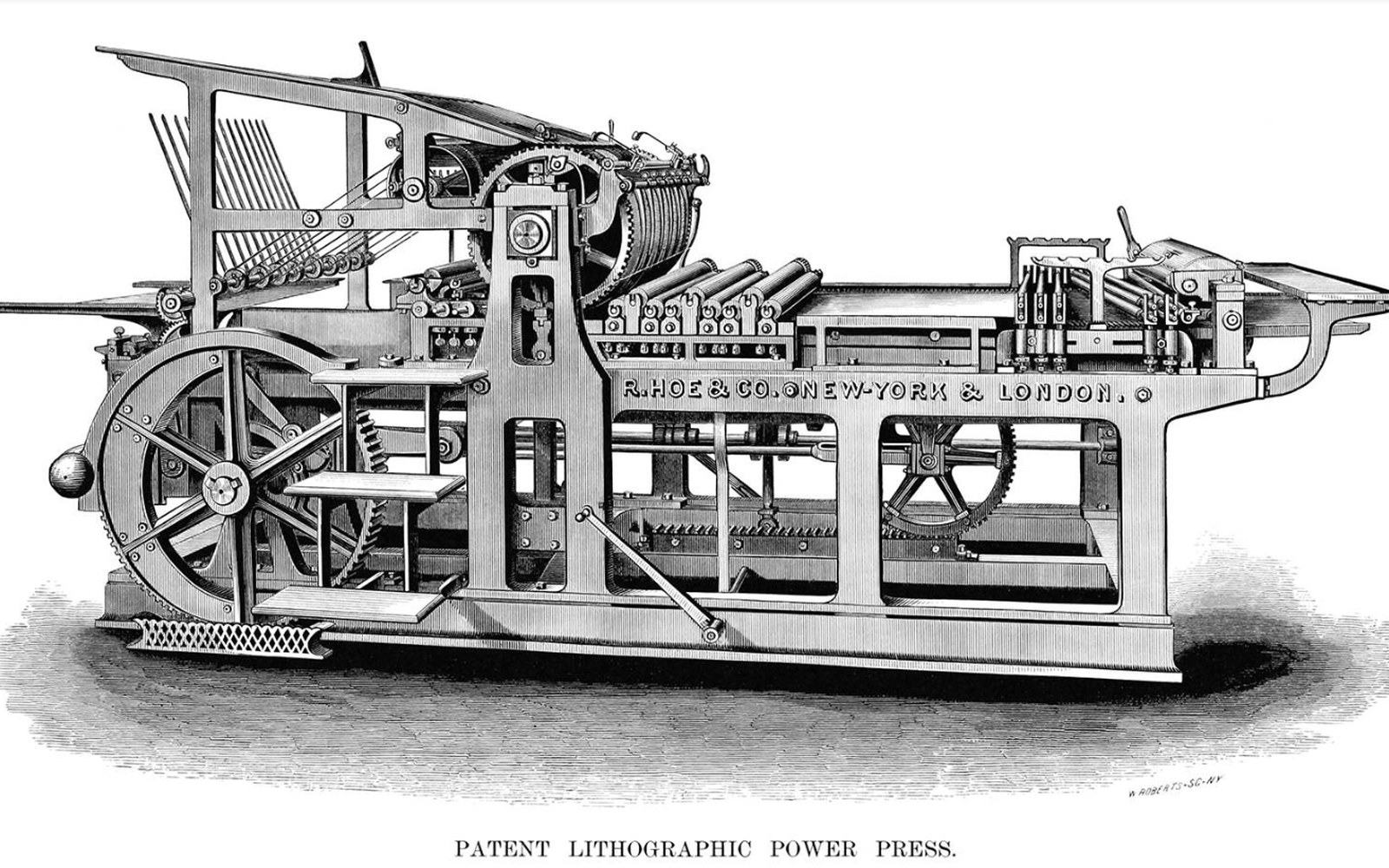
The stone and the press
Lithography prints from a drawn stone rather than a cut block, which is what made fine tonal work reproducible at all.
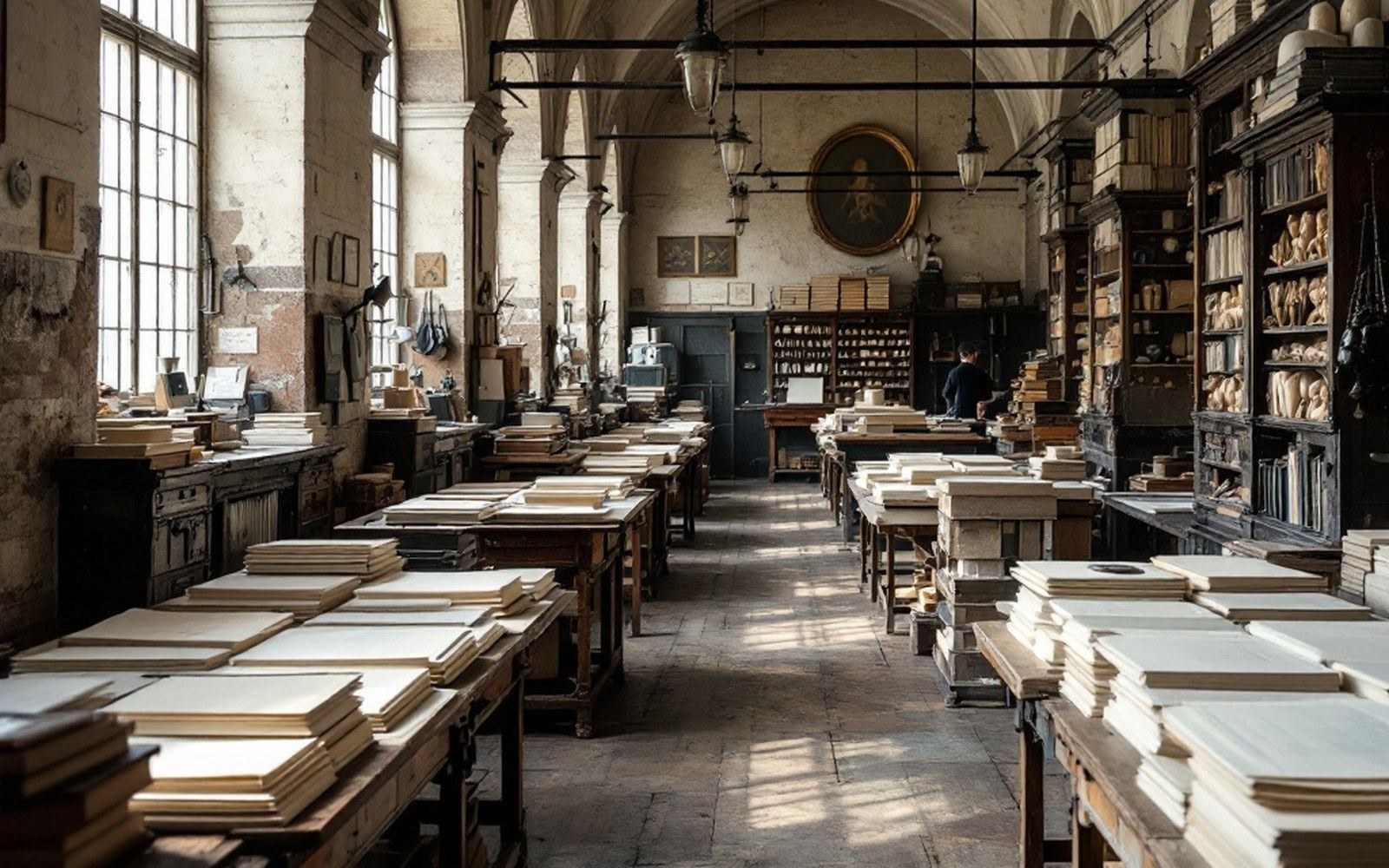
The workshop behind the plate
Printer, draughtsman and colourists were a trade, and their names appear in the imprint where anyone looks.
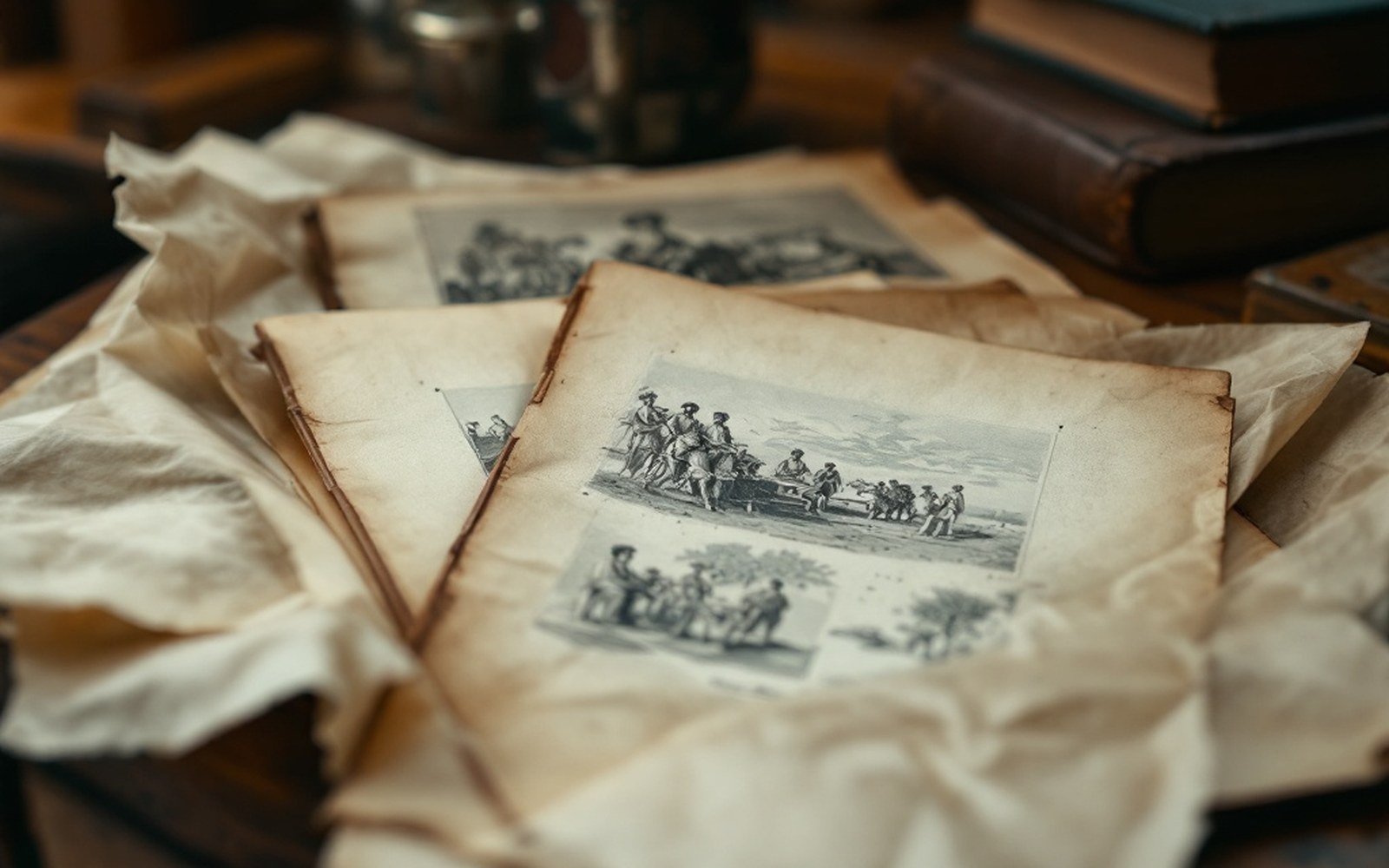
What a subscriber actually received
Loose gatherings in paper wrappers, to be bound by the owner when the series eventually finished.
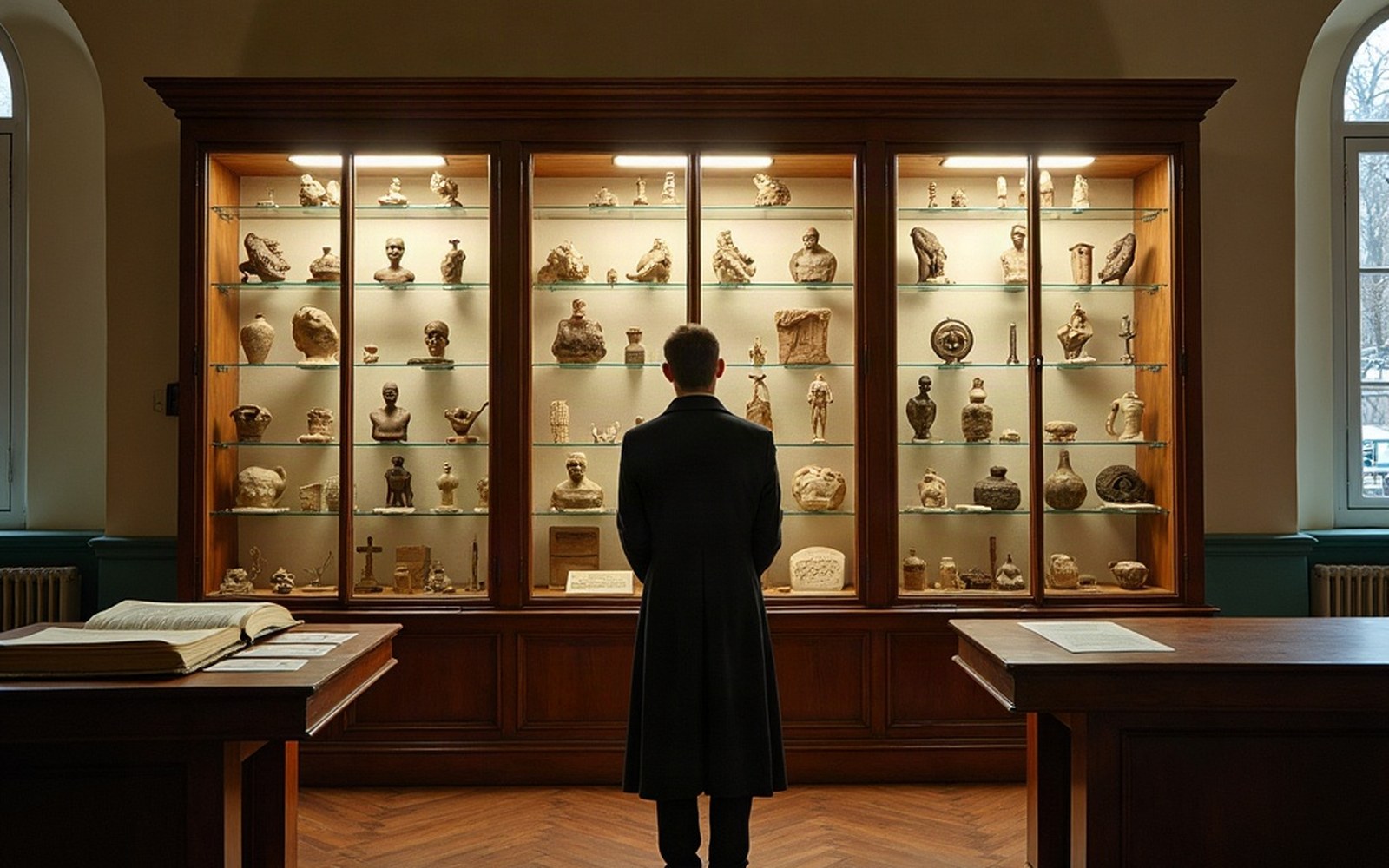
The cabinet at the Josephinum
A cast taken from the body and painted from life carried what a plate could not: surface. Vienna went on making them long after the camera arrived.
Sorted by what the tissue was doing
Hebra reclassified skin disease on pathological anatomy rather than on appearance, which turned a catalogue of surfaces into a discipline. All fifteen pages